


|
Getting your Trinity Audio player ready...
|
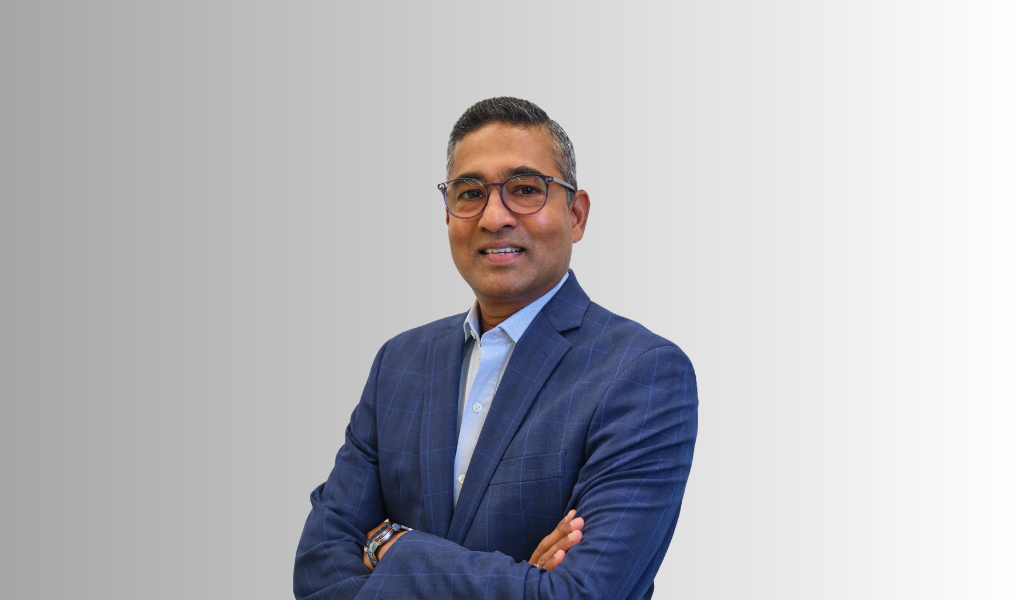
Visier CPO Pramukh Jeyathilak explains how HR leaders can anchor culture and shift job identities during tech transformations.
By Debbie Bolla
HRO Today: How do CPOs and CHROs need to evolve their approaches in the era of AI?
Pramukh Jeyathilak: Right now, CPOs and CHROs need to focus on how to build and develop skills and capabilities across the workforce. At the same time, they need to be enabling a workplace that places greater value on “generalists” than “experts” and defines success around outcomes rather than processes. Part of that approach means making AI a co-worker or companion and learning how to work with and leverage the tech as more than just a tool. As the nature of work continues to evolve, the role of the HR leader needs to evolve with it, becoming more of a workforce architect who is actively designing the workforce for what comes next and not just keeping the lights on.
HRO Today: How are you managing company culture during this tech evolution?
Jeyathilak: Managing culture during this evolution starts with a greater focus on the “why” of work and the outcomes employees are striving toward, rather than simply the “what.” That shift also requires organizations to rethink job identity, defining roles as a set of skills and experiences rather than a set of tasks an employee performs. With those boundaries evolving, continuing to build trust and reminding employees that the organization is still a people-first business is critical.
HRO Today: In what ways do you leverage data to drive people management decisions?
Jeyathilak: Data gives leaders greater visibility into what is happening across the workforce and helps inform decisions around areas like predictive attrition and capacity modeling, as examples. Without that data, they cannot see the full picture of what’s going on. That visibility becomes even more valuable when engagement data can be collected and turned into workforce insights in real time, allowing business leaders to make decisions based on what employees are experiencing now. The same principle applies to compensation and equity analysis, where grounding decisions in data rather than ‘intuition’ can lead to more informed and consistent outcomes. It is better for the business when their decisions are fully backed by trusted data.
HRO Today: What’s your favorite way to spend your free time?
Jeyathilak: I love to read and I love the feeling when you complete a good puzzle. I also enjoy getting out to play golf or bike, but most of all, I really value spending time with my family and friends. It is a good mix of things that gets me thinking, gets me outside, and gives me time with the people I care about most.