


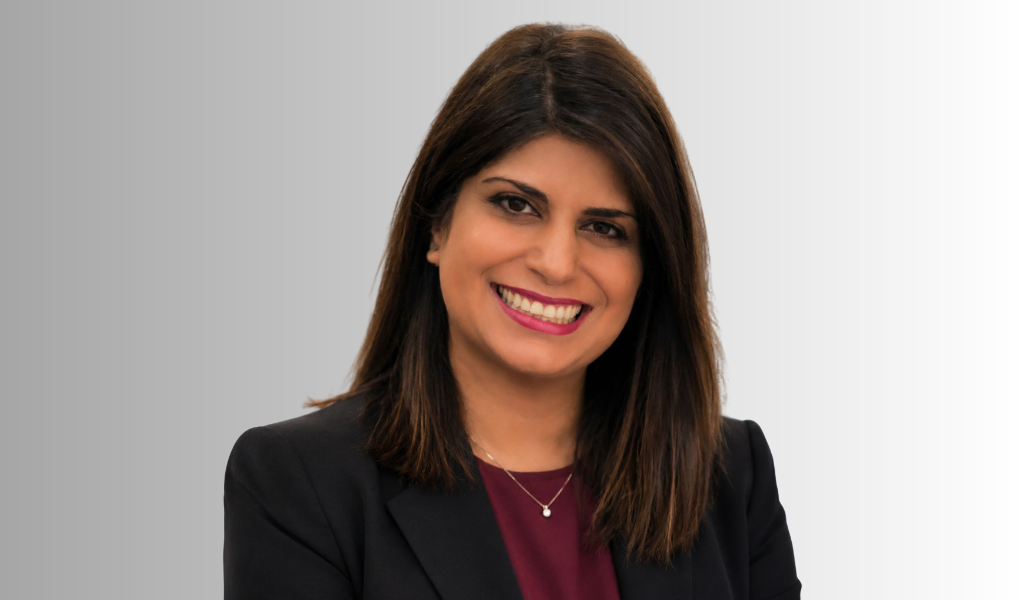
CPO of Landis+Gyr Sheila Dehdashti explains why the best decisions are made when data and human insight work together.
By Debbie Bolla
HRO Today: As you settle into your new role, what is your top priority and what are your plans to achieve it?
Sheila Dehdashti: As I settle into the role, my top priority is helping Landis+Gyr become a more talent-focused organization as we execute our next phase of growth. U.S. electric utilities are preparing to invest nearly $1.4 trillion through 2030. That pace of investment creates a significant opportunity for Landis+Gyr and talent will become the critical differentiator. For example, we see a need for hiring and upskilling in new areas of technology, like AI, and we need to adapt and strengthen how we build this culture of deep technical expertise. To meet this once-in-a-generation moment of growth in the utility industry, my top priority is for us to build the leadership and capabilities to scale our hardware and software businesses and make sure our talent strategy creates a culture that balances performance, accountability, development, and employee engagement.
HROT: How do you approach human capital management on a global level? What are keys to success?
Dehdashti: Inspiring the best work out of our amazing people starts with creating consistent standards and expectations across the organization while recognizing that one size rarely fits all. I believe in building common frameworks around areas such as leadership, talent management, performance, and culture, then adapting those frameworks to fit the realities of different markets, workforce populations, and types of work. Another key to success is balancing quantitative and qualitative insights. Data and metrics help identify trends, risks, and opportunities, but they rarely tell the whole story. Conversations with leaders and employees, direct feedback, and a deep understanding of the business provide important context and often explain the “why” behind what the data is showing. The best decisions are made when data and human insight work together rather than relying exclusively on either one.
Most importantly, human capital strategy must be tightly connected to business strategy. At Landis+Gyr, that means building on our deep utility and grid sensor expertise while scaling the software, analytics, AI, and connected-platform capabilities needed for the future of the grid. When we understand the capabilities needed to execute business objectives, we can make more deliberate investments in talent, leadership, and culture.
HROT: In what ways do you leverage AI successfully as a workforce? What results have you seen?
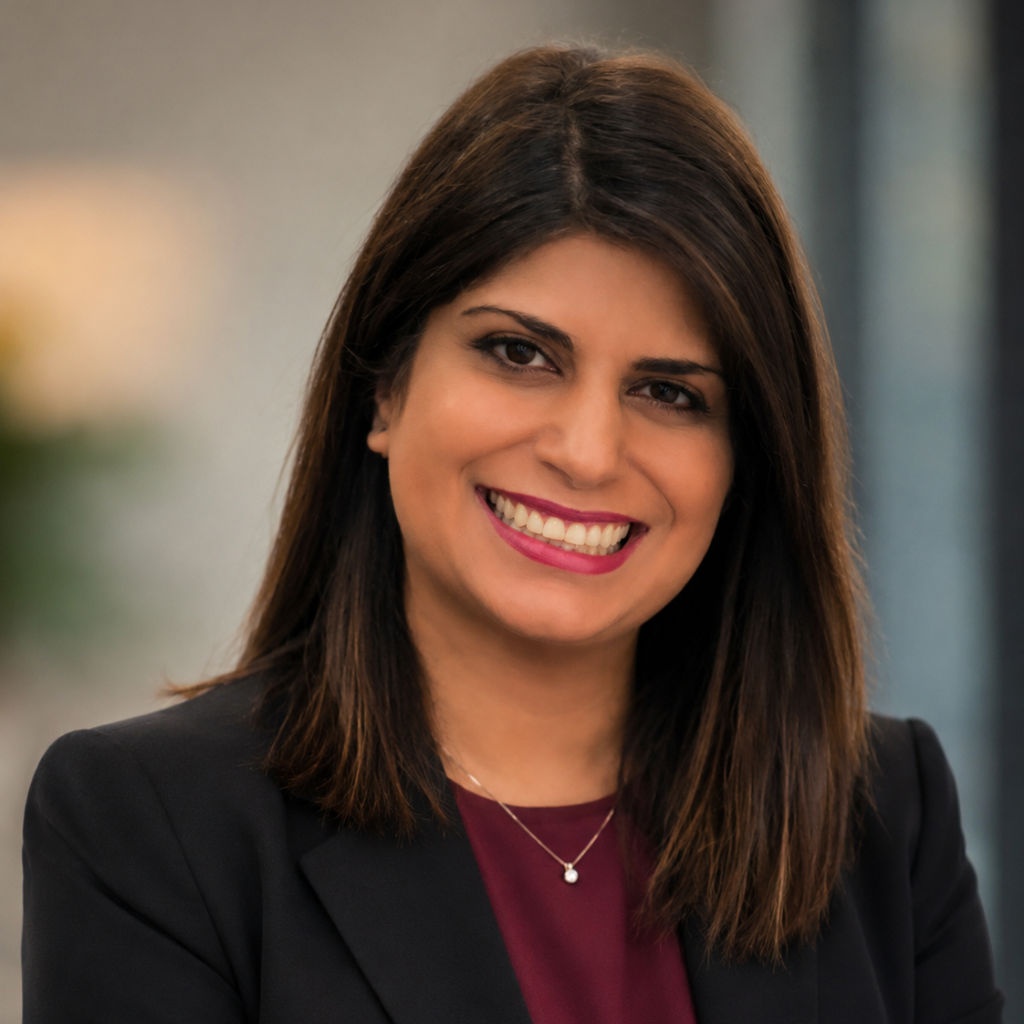
CPO of Landis+Gyr
Dehdashti: Because of the high value we place on our people, I treat AI as a tool and not a stakeholder. It is without a doubt the most powerful untapped technology with the potential to accelerate and improve tasks we do every day. But it’s still a tool, and if we harness it responsibly, the most exciting opportunity for us is way beyond automating tasks. We want AI to work for us so we give our people the ability to capture time back and focus their time on activities that create greater value for themselves personally and for the business.
More broadly, I believe AI is rapidly becoming a foundational workplace skill, accelerating the things that take us the most time, and filling skills gaps much faster. Think about in the past how spreadsheets, search engines, and the internet became essential capabilities. Over time, the ability to effectively leverage AI will be less of a specialized skill and more of an expectation across many roles and functions. Perfection is not the goal; learning is. When leaders model that mindset, employees can build confidence in their own abilities and trust that we are navigating this change alongside them.
HROT: What is your favorite way to spend your free time?
Dehdashti: My favorite way to spend free time is around food and travel. I love cooking and bringing people together over a meal, whether it’s at home or discovering a new restaurant. Sharing food has always been one of the ways I show appreciation and build connections with the people I care about. I also enjoy traveling and experiencing different cultures. A few years ago, I challenged myself to continue seeking out new experiences, perspectives, and places. Travel has become one of the best ways to do that. It reminds me how much we can learn from people whose backgrounds and experiences are different from our own.