



Mindr’s core value of putting people first drives supporting the realities of the modern workforce while building a more resilient company.
By Amanda Sedars
While many companies are focused on bringing employees back to the office with the expectation that attendance equates to ambition, there is an unexpected risk, not only to their future growth, but to the long-term stability of the economy.
Currently, there is a socioeconomic “caregiving crisis,” where rising costs and the rigid in-office model will be rendered not simply outdated, but mathematically impossible for the majority of American families.
Last year, the average U.S. household spent nearly 20% of its income on childcare, often exceeding $13,000 annually per child. At the same time, there’s a large aging population that also requires care, equating to around $33 per hour on average for assistance. Often, these financial burdens are simultaneously placed upon those aged 35-55, who make up the majority of the American workforce. The burden is further compounded by the rising cost of housing and healthcare, supporting both children and the aging.
When a company mandates a return to the office, they are not only asking for collaboration, they are also imposing an “employment surcharge” of time, money, and stress. The premium comes at a high price to employees, not the company, and it is pricing talented Americans out of the workforce.
The “employment surcharge” costs have particularly hit women, especially Black and Latino women, and those with disabilities unfairly, in some cases, squeezing them out of the workforce entirely.
The Century Foundation reported that employment for people with disabilities reached a historic high of 22.5% in 2023, largely credited to the flexibility of remote work. Additionally, the Ford Foundation highlighted that return-to-office policies ignored the “infrastructure of care” that disabled workers built to better support themselves at home. By removing this infrastructure, companies are revoking their access to feasibly work.
Furthermore, a recent survey from Catalyst showed that nearly 500,000 women quietly exited the workforce between January and August last year alone, with 42% of them identifying caregiving as the strongest factor in their decision. The caveat seen has a direct downstream impact on lower birth rates across the country. Stanford economist Nicholas Bloom found that remote work and flexibility increased fertility by between 14% and 18%. This data is comparable to data from Japan, showing that women in remote work occupations were 1.5 times more likely to conceive. Lastly, the Institute for Family Studies found that pregnancy was most common with college-educated women, who said that the “opportunity costs” of having a child were drastically reduced by working from home.
I am a working mom of four, and I know firsthand the emotional and mental gymnastics needed to juggle family needs while meeting the expectations of my role. As the chief human resources officer at Mindr, I wanted to lead the charge with my fellow leaders in leading a shift. At Mindr, we operate with a remote-first culture because we believe that “putting people first” is a core value in how we conduct our business, and it gives us a competitive edge.
We chose to lean into our remote-first culture and core company values of putting people first, driving results, winning as a team, and owning it. By doing this, we have avoided the traditional in-office, 9-5 schedule that forces caregivers, parents, and those with disabilities to choose between attending a recurring sync versus a doctor appointment.
As a technology company, we believe that our internal culture should reflect the innovation that we provide to the industry. We’ve leveraged AI tools to improve collaboration and productivity. For example, when a parent needs to step away for a child’s appointment, our AI tools capture notes, create summaries, and track important updates when they occur in these situations. This ensures that “being in the loop” doesn’t have to be tied to “being in the room.”
We have brought in top-tier talent from large global firms that have chosen to abandon flexible work. These individuals aren’t leaving their jobs because they lost drive; rather, they are tired of being treated like teenagers in high school requiring a hall pass to take a restroom break. They know they are adults and understand that the work has to get done and goals need to be met. Our talent comes to us because they know that their value is measured by the safety of the drivers we protect, not by the number of hours they spend sitting in traffic to sit in an office.
And, the truth is, this approach works. We have maintained annual growth for seven straight years while remaining a remote-first company in a high-stakes safety and substance detection industry. Our data over the last year confirms that success comes when you trust your teams and their leadership; in fact, this has allowed us to double our employee headcount in the last three years. When companies do this, it unlocks a level of focus, commitment and outcomes that no office pizza party gathering can replicate.
For example, a single mom sitting in a conference room with her team in a meeting that has the potential to run late is there, unfocused, and worried she won’t pick her son up in time from kindergarten. That mom is also the employee who can solve a complex chatbot coding error in half the time when she is allowed flexibility to care for her son and have focus time.
Why does this policy and culture model work? Because it acknowledges that employees are human and they have full lives outside of work. Winning as a team doesn’t require being in the same conference room, let alone a building. It requires being on the same page and committed to supporting each other while advancing a collective mission.
Aligning business goals with the realities of the modern workforce builds a more resilient company. By solving for the caregiver crisis through remote work and flexibility, Mindr has been named for the last five years a Best Place to Work for Working Parents. It’s an incredible honor, but the real prize is seeing our workers thrive in all aspects of their lives.
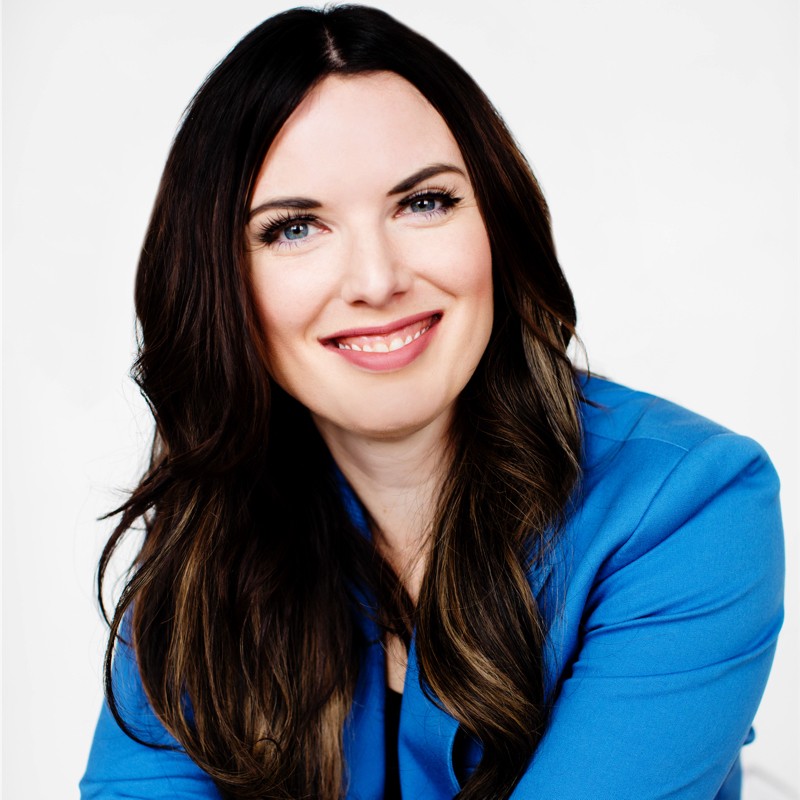
Amanda Sedars is chief human resources officer for Mindr.