


|
Getting your Trinity Audio player ready...
|
Today’s automation can act as an “extra hand” to free up HR leaders to focus on leadership capability and employee growth.
By Phillips Pham
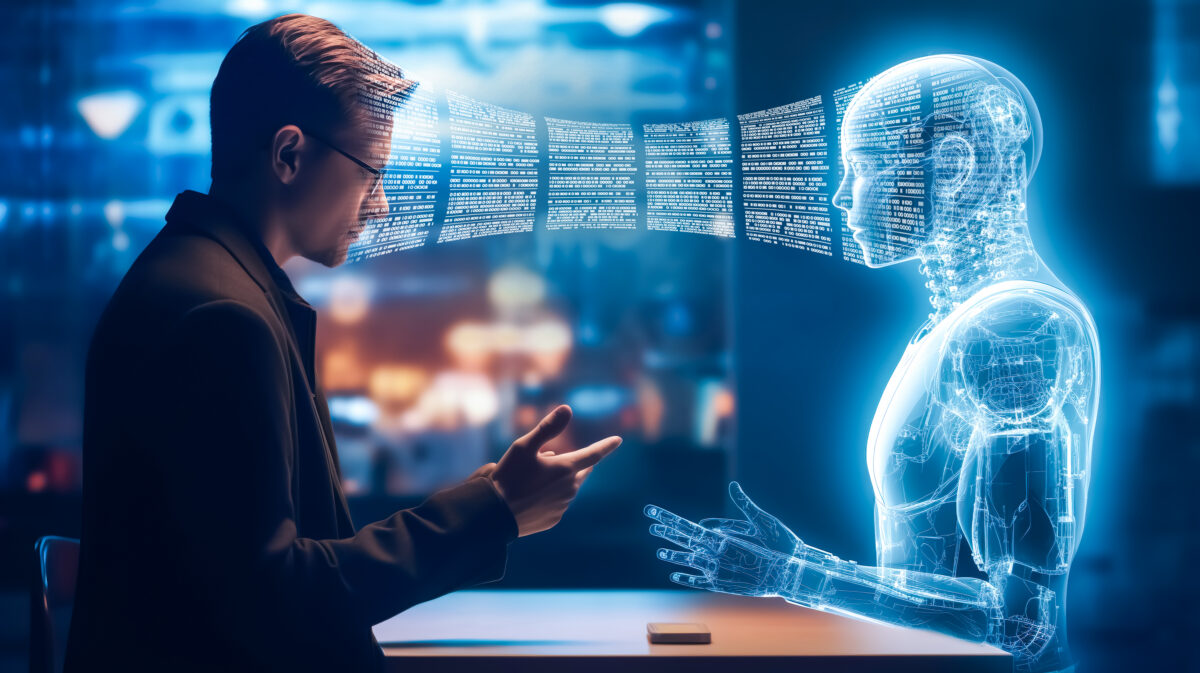
In the age of AI, no industry has been left untouched, and HR is no exception. Even in a field centered on people, technology is transforming how organizations operate, bringing new levels of efficiency and data-driven insight.
With 77% of organizations agreeing that AI enhances technology, it’s rapidly becoming a key driver of HR’s strategic impact. Yet technology alone should not define the future of HR; the human element is crucial to continued success.
To effectively implement technology into HR workstreams, it is important to adopt an approach that is guided by both the head and the heart. While the head helps organizations analyze challenges and make informed decisions, the heart reminds us of the human purpose behind work. Only then should technology act as an extra hand that enables HR to act faster and more effectively.
How Technology is Maximizing HR’s Impact
The most immediate value technology brings to HR lies in automation. By streamlining time-intensive administrative tasks such as payroll, onboarding, performance reviews, and data management, digital tools allow HR teams to work more efficiently and consistently. Research from the Society for Human Resource Management (SHRM) suggests that automating high-volume administrative work can save HR professionals more than seven hours per week, allowing them to devote more time to meaningful, people-focused initiatives.
Technology also enables organizations to make better use of people analytics, helping HR professionals understand workforce trends and support leaders in making more informed decisions. Studies show that HR teams increasingly rely on data insights to improve recruitment, engagement, retention, and performance management.
Beyond efficiency and analytics, one of the most promising areas for technology is learning and development. Traditionally, leadership development and training have relied heavily on face-to-face interaction, which can make learning difficult to scale across large or geographically dispersed organizations. Digital learning platforms now allow organizations to provide employees with greater access to knowledge, personalized learning pathways, and continuous development opportunities.
Most importantly, by reducing administrative workload, technology allows HR teams to invest more energy in the aspects of work that truly matter. Rather than spending the majority of time processing information, HR professionals can focus more on developing people, strengthening leadership capability, and supporting employee well-being. The “Happy Mainetti” campaign is an example of an employee well-being initiative that was enabled by technological implementation. Focusing on creating a work environment where employees feel supported, connected, and able to grow, the wellness initiative supports Mainetti’s workplace culture of respect, integrity, commitment, and collaboration.
Technology can also support more reflective and constructive feedback. For example, in performance reviews, employees are sometimes hesitant to provide honest input, particularly when feedback may feel uncomfortable. Thoughtfully designed digital platforms can help structure these conversations, encouraging more open dialogue and making it easier for employees to share constructive perspectives.
Ultimately, the real impact of HR technology lies not in replacing human interaction, but in enabling HR leaders to focus more on developing people and strengthening organizational culture.
By reducing administrative workload, technology allows HR professionals to focus more on developing people, strengthening leadership capability, and supporting employee well-being.
How to Implement Technology Thoughtfully
The biggest obstacle to successful technology implementation is introducing new systems without a clear sense of purpose. Too often, organizations adopt technology simply because it is available or trending, rather than because it solves a genuine problem. This can quickly lead to unnecessary complexity, resistance, and employee disengagement.
To avoid this, technology should always be applied as a solution to a meaningful human challenge. HR leaders must first ask: What human outcome will this technology improve? Only then should technology be introduced as a supporting tool. Without this clarity, even the most advanced systems risk creating distance between HR and the very people it exists to serve.
This approach also requires meaningful engagement with employees before implementation begins. Leaders should create opportunities for open dialogue—through one-to-one conversations and group discussions—to listen to concerns, clarify intentions, and build shared understanding around the purpose of new technologies.
When applied with this mindset, AI has the potential to go beyond what is typically described as “artificial intelligence.” Used thoughtfully, it not only creates intelligence through data-focused insights but also fosters deeper connections between leaders and employees, facilitating a culture where people feel listened to and heard. In this way, AI is able to help organizations understand their people’s needs more deeply and strengthen connections across teams.
Ultimately, technology can be a powerful tool for HR professionals, but as in any people-focused field, preserving the human element is essential. When employees feel they are being measured, tracked, or processed by systems rather than genuinely understood, technology risks creating more problems than it solves. By maintaining open dialogue and implementing technology in ways that enable deeper listening and more informed leadership decisions, organizations can instead harness digital systems as a force for good—empowering HR leaders to engage more thoughtfully and meaningfully with their people. As such, the success of HR technology will not be defined by how advanced the tools become, but by how well they help organizations remain human at their core.

Phillips Pham is the chief people officer of Mainetti Vietnam.