


This February, the existing random lottery system for selecting H-1B visa beneficiaries will be replaced with a wage-weighted process that favors larger organizations paying higher salaries—here’s how HR can stay prepared.
By Maggie Mancini
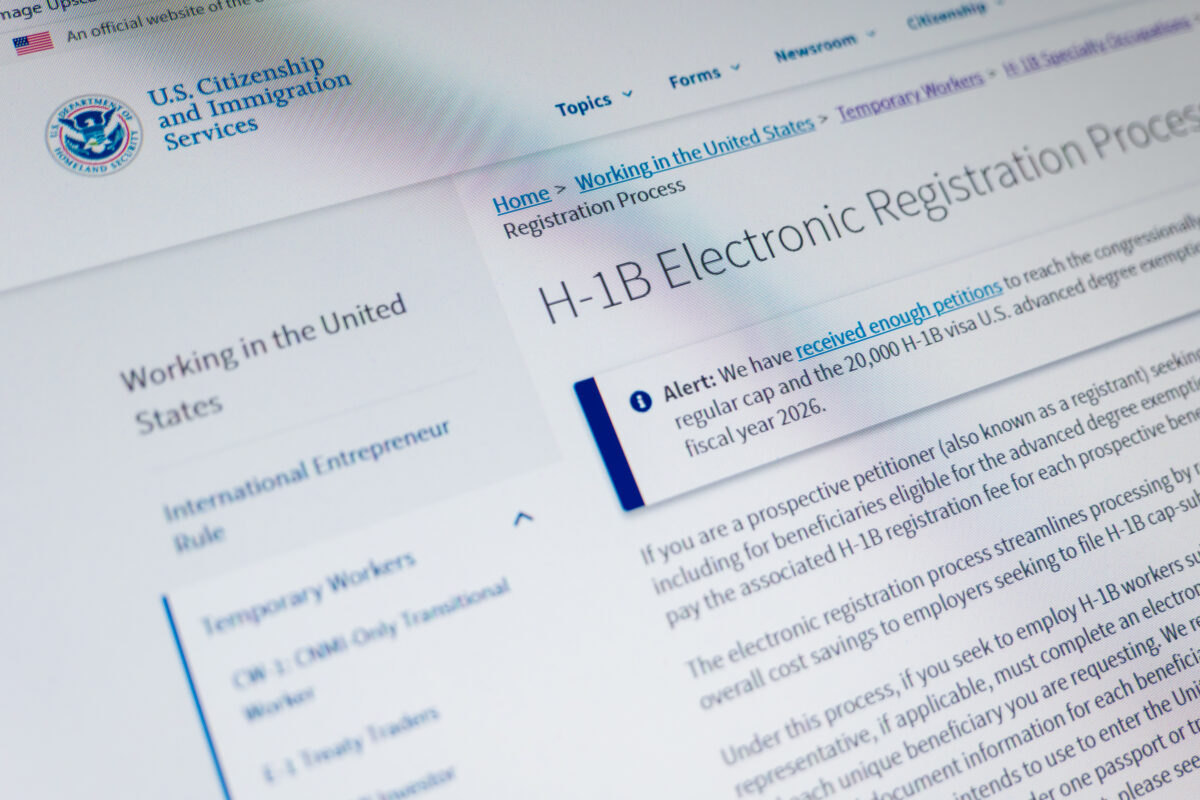
As 2026 gets underway, major changes to the United States’ H-1B visa system are on the horizon. Beginning this year, H-1B visas for skilled non-immigrant international workers will come with a $100,000 administrative fee. Additionally, effective next month, the United States Citizens and Immigration Services (USCIS) will replace the existing random lottery for allocating cap-subject H-1B visas with a weighted selection process that increases the odds of selection for beneficiaries with higher wages, explains Taylor Lewellyn, legal editor at Brightmine.
HRO Today recently spoke with Lewellyn about the new wage-weighted selection process, how the new method favors large employers, and how HR and business leaders can stay prepared and remain complaint heading into the next fiscal year.
HRO Today: What should HR leaders know as the new H-1B wage-weighted selection process goes into effect this February?
Taylor Lewellyn: The revised method of H-1B quota allocation is based on the U.S. Department of Labor’s (DOL) four-level prevailing wage system.
Beneficiaries registered for the H-1B cap lottery will be entered into the selection pool using a weighted system. Beneficiaries whose offered wage corresponds to Level 4—the highest tier—of the DOL’s wage structure will be entered into the selection pool four times. A Level 3 beneficiary will be entered three times; a Level 2 beneficiary, two times; and a Level 1 beneficiary, one time.
USCIS may deny or revoke a petition if the agency determines that the petitioner attempted to unfairly increase the odds of selection by choosing an inappropriate wage level or by changing the wage offered to a lower wage level in the petition than that indicated in the lottery registration for that beneficiary.
HROT: How does the wage-weighted selection process favor large organizations hiring for high-salary positions?
Lewellyn: The new wage-weighted selection process favors larger organizations hiring for high-salary positions because they are likely to have bigger budgets to allocate towards paying higher Occupational Employment and Wage Statistics (OEWS) wage levels than smaller companies and start-ups.
Under the new system, a higher-level position requiring more experience or education aligning to a higher wage level means more entries in the selection pool, and therefore an estimated increased probability of selection.
The new process could limit smaller employers’ access to some candidates, particularly those offered a wage corresponding to Level 1, the entry-level tier of the DOL wage system. The process could also cause larger employers to increase the wages offered to H-1B cap candidates to increase the odds of selection. This, in turn, could further decrease the odds of selection for candidates with offered salaries at lower OEWS wage levels.
The DHS has indicated that though total wages paid to H-1B workers will likely increase by billions over the next several years, over 5,000 small businesses that currently receive H-1B visas will suffer a significant economic impact due to loss of labor.
USCIS predicts a 48.33% reduction in the selection of Level 1 wage registrations in the H-1B lottery, a 55.02% increase in Level 3 selections, and a 106.69% increase in Level 4 selections.
HROT: How does this change impact employer compliance obligations heading into FY 2027?
Lewellyn: Employers will now be required to indicate specific details on each candidate’s registration for the H-1B cap lottery, including the appropriate Standard Occupational Classification (SOC) code, the highest OEWS wage level that the beneficiary’s offered wage equals or exceeds for the relevant occupation in the area of intended employment, and the area of employment.
The selection process will use wage data gathered at the registration stage, and employers are required to submit the additional data described above. For beneficiaries working in multiple locations, the registrant must select the lowest corresponding OEWS wage level the beneficiary’s wage will equal or exceed. If the beneficiary’s wage is expressed as a range, the registrant must select the wage level the lowest wage in the range will equal or exceed. If more than one employer submits a registration on behalf of a foreign national, the foreign national is entered into the H-1B cap lottery according to registration with the lowest prevailing wage level.
If a beneficiary is selected in the lottery, the employer’s H-1B petition will need to indicate the wage level and SOC code, as well as include documentation showing that the wage level indicated in the registration was appropriate for the occupation.
These changes are in addition to the new $100,000 fee required to be paid by beneficiaries applying for an initial H1B visa outside the U.S. or who elect, or are required, to consular process their H-1B for activation.
HROT: What steps can HR leaders take today to protect their organization and its people ahead of the new H-1B rule taking effect?
Lewellyn: Before USCIS begins to accept registrations for the FY 2027 cap lottery, employers and their immigration counsel should evaluate their prospective H-1B candidates to determine the appropriate wage level for each.
An employer should audit each H-1B-eligible role for accurate SOC codes and defensible wage level assignments; ensure the wage level, SOC code, job description, and labor condition application details align across registration and petition stages to avoid requests for evidence or denials; and evaluate alternative visa options for critical talent. Finally, employers should carefully consider how their wage level policies will impact sponsored employees under this new rule.