


How culture can unite a workforce through transformation.
By Darin Conselyea
Transformation rarely happens one change at a time. Growth can bring new people, capabilities, technology, and ways of working into an organization at once. As HR leaders, the challenge is helping the workforce navigate that change while keeping the organization moving toward a shared vision.
This is being experienced firsthand at MSIG USA. Over the past three years, the company premium has tripled, ending 2025 with nearly $2 billion in gross written premium, up 41% year over year. There is a goal of reaching $5 billion by 2030 and the business is striving to become a market-leading, data-driven specialty insurer. As the organization has expanded, so have teams, expertise, and opportunities across the organization.
Rapid growth creates opportunity, but it also makes culture increasingly important. New employees need to understand what the organization is building and how they contribute. Long-tenured employees need opportunities to grow with the business. Leaders need to preserve the relationships and institutional knowledge behind the organization’s success while creating room for new ideas and capabilities.
For HR leaders navigating similar periods of transformation, the challenge is connecting growth to a people strategy that can evolve with the business. At MSIG USA, several practices are helping to do exactly that.
- Connect the people strategy to the business strategy. HR strategy cannot exist separately from business strategy. Start with where the organization is headed, then determine which roles, skills, and behaviors will be needed to get there. At MSIG USA, growth as a specialty insurer requires deep technical expertise, strong leadership, and people who can work effectively with increasingly sophisticated data and technology. Workforce planning therefore must be part of business planning, with HR and business leaders continually assessing where to recruit, develop talent, and build greater depth internally.
- Build succession plans before they are needed. Growth creates new leadership opportunities, making succession planning as much about preparing for the future as protecting against departures. Experienced leaders carry valuable institutional knowledge, expertise, and relationships, while new talent can bring capabilities and perspectives and evolving business needs. HR leaders should identify future leaders early, create meaningful development opportunities, and build depth in critical roles.
- Evaluate both results and behavior. What employees accomplish matters, but so does how they accomplish it. During transformation, when people are navigating new systems, responsibilities, and ways of working, judgment, collaboration, and accountability become especially important. Stretch assignments and expanded roles can help employees discover strengths and develop new capabilities, but growth also requires an environment where people can take ownership, challenge assumptions, and ask for support when they need it.
- Communicate, communicate, and communicate. During periods of change, employees need more than announcements. They need context about where the organization is headed, why decisions are being made, and how their work contributes. At MSIG USA, town halls, team discussions, and in-person conversations help create connection. Digital communication has an important role, but it cannot replace direct interaction. Even simple habits like walking the floor, spending time with teams, and saying hello can reinforce accessibility and connection. Culture is built through everyday interactions as much as formal initiatives.
- Make technology work for employees. Becoming more data-driven is as much a people transformation as a technology transformation. MSIG USA is focused on bringing data, technology, and human expertise together so employees can spend more time on work where their experience and judgment matter most. AI can distill information, surface insights, and automate manual work, but experienced professionals remain accountable for the decisions and outcomes that follow. For HR leaders, it’s critical to look beyond technology adoption to how roles will evolve, which skills employees will need, and how to create a culture of continuous learning.
Transformation succeeds when people and business strategies move in the same direction. For MSIG USA, building a market-leading, data-driven specialty insurer requires investing not only in new products, data, and technology, but also in the expertise and leadership that bring those capabilities together.
A clear vision, consistent communication, thoughtful succession planning, employee development, and better ways of working help unite an evolving workforce around the same goal. When people understand where the organization is going and see themselves in its future, transformation becomes something they help shape rather than simply experience. That sense of shared direction can turn growth into a stronger, more connected organization.
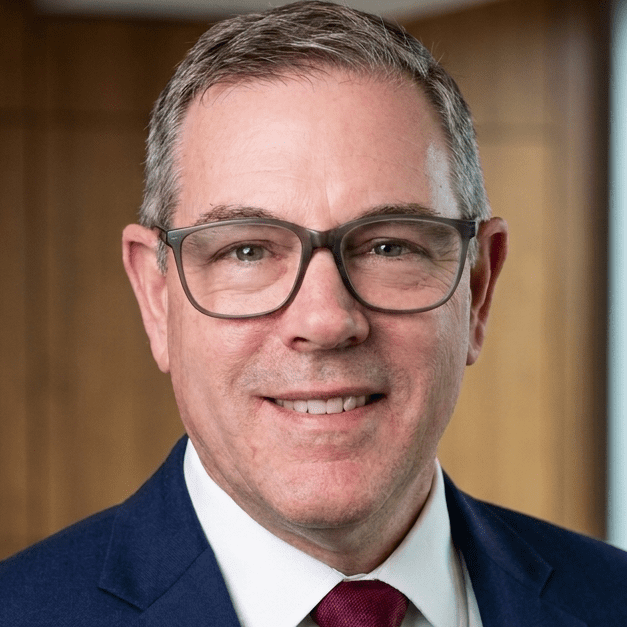
Darin Conselyea is CHRO for MSIG USA.