


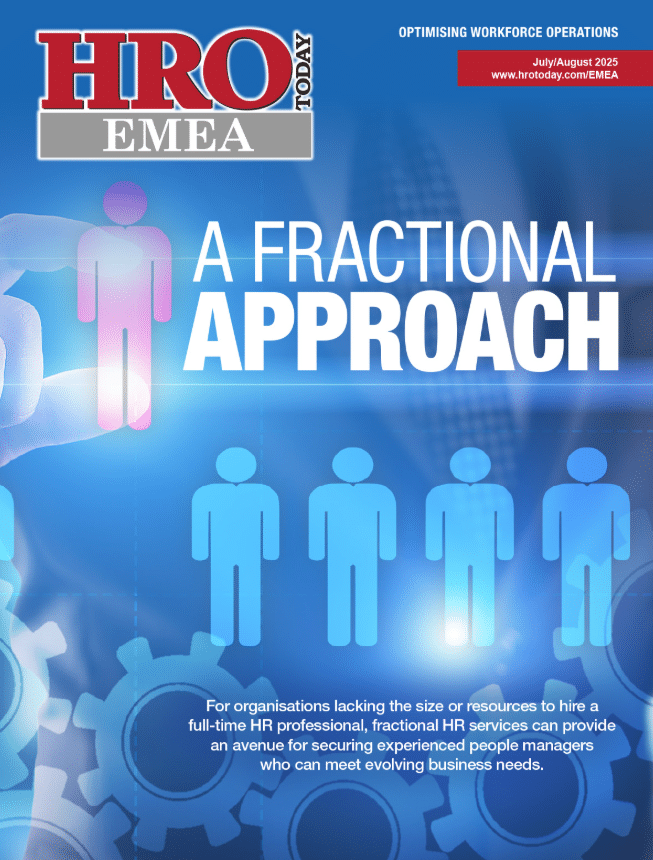
For organisations lacking the size or resources to hire a full-time HR professional, fractional HR services can provide an avenue for securing experienced people managers who can meet evolving business needs.
By Simon Kent
Fractional HR services offer a strategic way for businesses to access high-level HR expertise and structures without having to commit to supporting a full-time executive. The model—where a professional is engaged for just a few days a month, but in an embedded way—exists across other organisational functions. There are fractional finance professionals, fractional marketing experts, and so on, but what is the attraction for the businesses and individuals involved in this method of delivering HR?
According to fractional HR professional Barry Flack, the model particularly appeals to SMEs. Getting the input of an HR professional to guide and shape the people side of the business can be crucial at a time when the business may not have the size or resources to justify full-time investment. The organisation gets access to someone with experience which can mean the difference between securing good HR practice that will serve the business going forward or settling for a less experienced leader who, while delivering useful initiatives, may inadvertently be storing up problems for the business further down the line.
“We come in to work with the CEO or COO and it’s an opportunity to work with someone, perhaps a transitional person, for a few days who sits on your board, and is there to help you think about what needs to be done,” explains Flack.
Kristian James, director at recruitment business Hawkwood, agrees the largest market for fractional support is among SMEs. “A common fractional brief is for a consultant to audit the client company’s HR infrastructure, develop a people strategy and road map, and then work with a more junior internal resource on executing that,” says James. “As such, commercial and strategic acumen are also key.”
Indeed, to access this way of working, HR professionals need a clear track record in the HR field combined with as much business knowledge and experience as possible. Flack describes his own career as one of job hopping—with entirely beneficial effects—as he’s accrued experience in sectors varying from the health services to telecoms, taking significant roles within employee relations, talent acquisition, and at C-suite level. He’s also worked with start-ups, so he understands business needs at diverse stages of development.
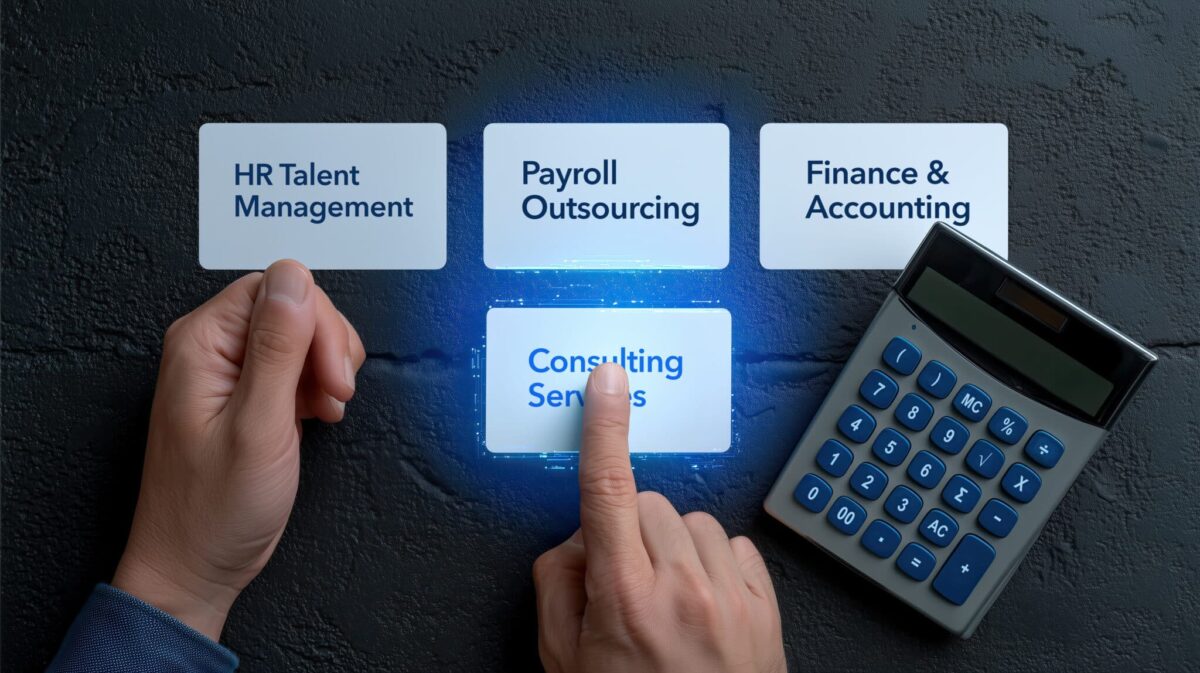
Fractional HR advisor Colin Minto has a background that extends across the security, finance, and hospitality sectors. He brings this experience and insight to a roster of current fractional HR clients from the building sector, recruitment, and assessment services.
From a personal point of view, he finds the variety of the work highly motivating: Fractional work can be exciting, varied, and rewarding in diverse ways, but, he says, it is only for those who are ready for the challenge and have the experience organisations value. “You need to have walked the walk and be able to talk the talk,” he says. “You need clear testimony that you can deliver.”
“The trend toward fractional HR is expected to grow as organisations need more flexible resourcing solutions, skills shortages persist, AI adoption increases, and employee tenure continues to shorten across generations. Companies will increasingly rely on ‘just in time’ expertise to meet evolving business needs.” – Sarah Symes, Fractional HR Director
According to Gary Hemmings, managing director of Westwood Liquid Technologies, a company that provides liquid applied waterproofing systems and one of Minto’s clients, Minto’s view of HR evolving into a strategic function, going beyond admin to influence culture, analytics, and organisational design reflects his business’ own aspirations.
“Modern HR strategy is increasingly about developing internal talent pipelines through L&D, and Colin’s previous roles emphasise talent and resourcing strategy,” adds Hemmings. “As someone who has championed systematic people development and leadership pipelines, he is supporting our transformation from ad hoc training into structured, scalable programmes that align with both business goals and market expectations.”
“Fractional HR leaders are known for achieving early momentum while creating frameworks that last,” continues Hemmings. “Given Colin’s experience leading resourcing and systems at global organisations, he is delivering immediate improvements, such as refreshing employer messaging, optimising recruiting workflows, and launching L&D pilots, while laying the foundation for a broader HR team.”
But while having an understanding of the sectors where he works, Minto is wary of becoming too embedded within each business where he works. The value he brings is equally in the independent “helicopter perspective” he offers over the business and as such, that view can become compromised if he becomes too ingrained in one particular world.

Minto currently works for three diverse organisations and notes he’d probably draw the line at five clients, giving himself scope should any of those arrangements come to an end. Flack had one instance when he was working concurrently for three organisations all of whom had significant needs from him at the time. It was a highly demanding time for Flack and there is clearly a balance to be struck when accepting new clients and determining what is required from each one.
Interestingly, as this area of the HR market is developing, fractional HR advisors are presenting their clients with more specific projects or tasks they can deliver on rather than a general HR service. “Often, fractional HR consultants will have pre-set products – for example, an HR audit – however, from there, they tailor their work to the specific and unique needs of the client company,” explains James. “Without the ability to tailor their services and be strategic, the HR consultant will be supplying highly commoditised HR advice, which is less valuable and priced accordingly – not to mention being more substitutable with AI.”
Fractional HR director Sarah Symes believes the fractional model in HR will continue to grow in the future, adapting to the changes in the HR function and other influences within people management. “The trend toward fractional HR is expected to grow as organisations need more flexible resourcing solutions, skills shortages persist, AI adoption increases, and employee tenure continues to shorten across generations,” she says. “Companies will increasingly rely on ‘just in time’ expertise to meet evolving business needs.”
For those with the skills and aptitude, fractional HR will offer a varied, rewarding, and sustainable way to practice professional into the future.