


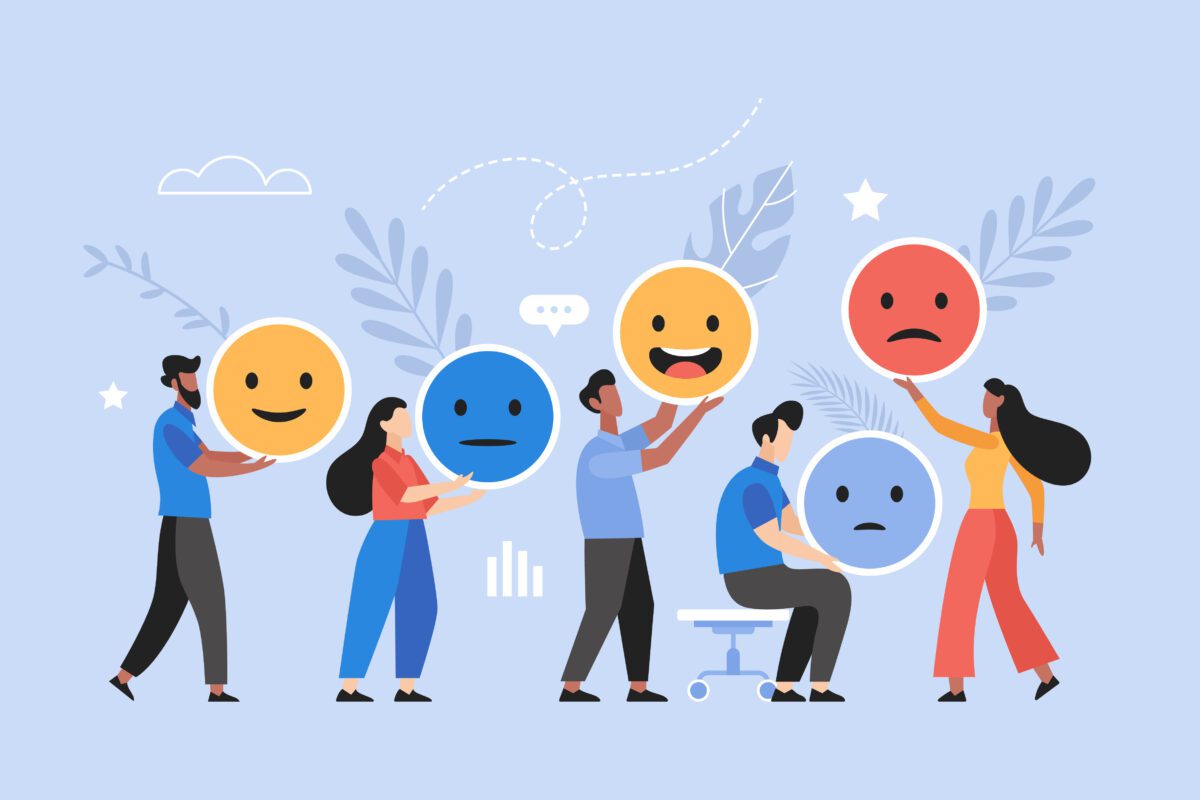
By providing the right tools and tech, investing in well-being, and providing proactive support for new hires, HR leaders can design a positive employee experience.
By Laine Thomas Conway
Employee experience encompasses literally everything someone encounters from the moment they first engage with a company as a potential candidate through their time as an employee until their final departure weeks, months, or years later. From the physical space, culture, and technology used to do the job, to relationships with colleagues and managers, well-being support, and opportunities for career and development growth, it’s all about creating a positive and purposeful work environment.
A good employee experience is characterized by a supportive, inclusive, and engaging environment where employees feel valued, respected, and motivated to contribute to the best of their ability. It’s easy to see why delivering a positive employee experience should be at the heart of every organization’s people strategy. Not only does it increase the likelihood that current employees will stick around, it also makes the organization more appealing to potential employees, promotes productivity, and drives better business outcomes.
Over the last few years, worker perceptions of their employee experience have faltered, in large part due to factors out of the employer’s control—the COVID-19 pandemic, a volatile economy, and widespread layoffs, which all negatively impacted how employees were feeling about their jobs and employers.
Amid the debate over return-to-office (RTO) policies, the battle over diversity, equity, and inclusion (DEI), and the economic challenges brought about by layoffs, tariffs, and rising prices, great uncertainty is still plaguing the workforce. Remarkably, however, workers are feeling more enthusiastic than they have in recent years. According to the upcoming 2025 Alight Employee Mindset Study, 77% rate their employee experience positively, up five points since 2023.
Even more encouraging, two-thirds (63%) report positive energy and excitement at their employer (up 12 points over the last two years) and 64% say their organization inspires them to do their best work every day (up 11 points). Notably, despite common stereotypes, younger employees are decidedly more optimistic than their older counterparts, with 70% of Gen Z workers reporting positive energy, compared to 54% of Gen Xers and 57% of baby boomers.
Inspiring Improvement
While it’s difficult to peg the exact drivers of this notable improvement, it’s easy to identify some likely contributors based on some of the most prevalent workplace macrotrends. This provides a road map for employers to improve the employee experience.
- Get it right from the start. It’s much easier to begin an employee-employer relationship on a strong footing than to attempt to rebuild on shaky ground. Therefore, it’s crucial to provide a positive experience from day one, something that clearly isn’t happening currently, as just over one-third (37%) of workers report having a great new hire experience. Employers should strive for an engaging recruiting and onboarding experience that helps people feel connected to the company.
- Foster a connected experience. This is actually much easier than it sounds. It’s simply a matter of providing open and honest communication about things that are relevant to employees, ensuring connection to the purpose and mission of the organization, and fostering strong relationships between workers and their managers, as well as their colleagues. Currently, only 54% of employees say they feel connected to their coworkers and just half report that their employer encourages social interaction.
- Provide the right tools and tech. For many workers, the verdict is still out when it comes to artificial intelligence (AI). While their overall comfort level with AI is steadily increasing, 39% of employees admit that AI scares them and 33% say they are worried AI is going to take away their job. At the same time, 41% say their employer encourages AI use at work and 45% are concerned about falling behind if they don’t learn it. Among those who are using AI, 43% say it makes their job easier. This is a great opportunity for employers to create positive excitement and energy around providing employees with AI tools that will inspire them to do their best work.
- Embrace a high-tech, high-touch well-being strategy. Increasingly, employees are trusting AI to make recommendations for improving their physical, mental/emotional, and financial well-being. Tools like health navigation, designed to simplify the complexities of the healthcare system and guide employees and their dependents to the right care at the right time, are invaluable. Alight’s Mindset study found 61% of employees regret a healthcare decision, most often because they took the advice of someone who was not a healthcare professional, rushed into treatment, or neglected to ask the right questions. Undoubtedly, someone’s performance on-the-job is going to be impacted if they are concerned about the healthcare decisions they have made and are perhaps suffering the negative effects of an ill-advised treatment—or a lack of treatment altogether.
It’s not just AI-driven support either. Employees have shown they still need and want a human touch, especially when dealing with a difficult, stressful situation. Therefore, it’s crucial that employers make available coaches, advocates, and advisors to give workers the support and guidance they need to enact the best possible outcome. That high-touch, personal element goes a long way toward demonstrating an employer’s care and concern. In the process, it creates a sense of loyalty and belonging that is key to cultivating a positive employee experience.
By getting new hires off on the right foot, giving them the tools to do their jobs, fostering a sense of connection, and providing personalized high-tech, high-touch well-being support, employers can effectively deliver on the promises of the unwritten employee-employer contract, resulting in a newfound enthusiasm, enhanced well-being, and a positive employee experience.
Laine Thomas Conway is the engagement and enablement leader for delivery at Alight Solutions.