



Organisations that take a hands-on approach to company culture will thrive in today’s uncertain business climate.
By Simon Kent
“Culture is not an HR initiative,” says George Sedky, CHRO at Egypt-based mobility company GB Corp. “It is the operating system that determines how strategy is executed across markets.”
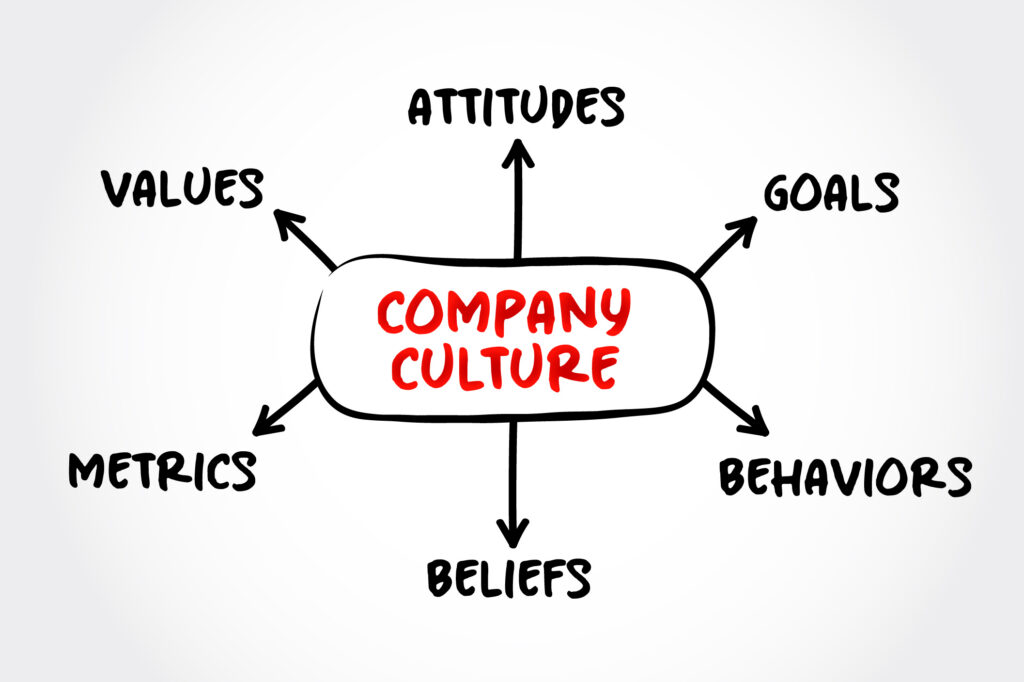
Some businesses take culture for granted as it is just something that evolves as an organisation grows, or something that’s the product of the people selected to work there. Best practice, or at least the most acceptable practice, becomes the way of doing things, and is therefore encapsulated in the idea of company culture.
In other instances, culture is a more conscious construct, something that a business will design, invest in, and promote to ensure everyone is pulling in the same direction. Towards the end of last year, Gartner placed “culture atrophy” on their list as a top risk for 2026, ensuring organisations can no longer take culture for granted. Ignoring culture can cause serious damage as clarity, connection, and accountability will all suffer, impacting overall business performance.
As Sedky points out, culture is integral to the operation of a business, so it needs to be protected. Kutay Kavukcu, CHRO of Türkiye-based Asos Process Engineering agrees, describing culture as something that “shapes how people behave, collaborate, and make decisions when no one is watching. It aligns people with the organisation’s purpose, supports sustainable performance, and creates a working environment where both employees and the business can thrive.”
“Good company culture is very fragile and can be weakened quickly, if it is not actively protected and reinforced all the time,” Kavukcu adds. Atrophy—a withering on the vine—isn’t the only danger which faces culture, however. If culture isn’t considered at times of mergers, acquisitions, restructures, and growth periods, Kavukcu says it can become damaged and ineffective. An influx of new employees may also serve to undermine company culture if they are not given sufficient guidance or onboarded effectively.
To combat this, he lists a number of initiatives HR can follow. He argues culture needs to be reinforced at every stage of the employee lifecycle. Each event employees go through should always reflect the company culture and bring the associated values to the forefront. This is a best practice at Asos Process Engineering. “Values are integrated into recruitment, onboarding, performance reviews, and promotions. Employees are encouraged to ask questions, challenge ideas, and share feedback without fear of negative consequences,” Kavukcu explains.
Leaders Drive Culture
Maintaining a good company culture therefore requires consistent effort from everyone at every point in the organisation. As Kavukcu suggests, there’s a need for fairness, shared responsibility, and ownership of culture throughout the organisation, making it something everyone not only understands but lives and breathes.
However, a key part of supporting and enhancing company culture is the role played by business leaders. Executives who have influence need to drive culture forward so the rest of the organisation will follow suit. “Leaders need to consistently demonstrate the organisation’s values through their behaviour, decisions, and communication,” says Kavukcu. “Regular updates, open forums, and accessible leadership help build trust. This reinforces what is expected and shows that culture is taken seriously.”
Sedky says the most significant risk to culture is a misalignment between declared values and leadership behaviour. “When actions do not reinforce stated principles, credibility is lost quickly,” he says. “Culture is sustained through leadership role modelling and disciplined people practice. It is reinforced in how performance is managed, how leaders communicate, and how decisions are explained.”
Amrit Sandhar, U.K.-based workplace expert and founder of & Evolve, agrees. “Leadership plays a critical role,” he says. “Leaders, through their power and influence, shape culture more than most others. Holding leaders accountable as cultural champions ensures culture remains a priority.”
Sandhar suggests it is a mistake to assume that leaders will naturally know how to engage people or create environments where they can thrive, suggesting that organisations need to invest in those skills, or at least in ensuring leaders are conscious of this aspect of their work. “Consistency matters,” he says, “and developing leaders to be aligned in how they role model culture is essential.”

Employees Play a Critical Role
Cherly Shikongo, manager, remuneration and employee relations at Namibian Ports Authority, says the organisation understands a good culture requires intentional and open-minded leadership as well as a balance between people-centric and business-orientated decisions. Clear governance frameworks and ongoing employee engagement is also necessary.
Employees need to be included through formats such as formal engagement platforms, workplace union consultations, training and development initiatives, wellness programmes, and performance management processes.
 “Sustainable cultures are built by making values practical and visible in daily operations through safety practices, service standards, leadership conduct, and people management. When employees feel respected, seen, informed, and genuinely involved, they are more likely to contribute positively to the culture and the long-term success of the organization.” – Cherly Shikongo, Manager, Remuneration and Employee Relations, Namibian Ports Authority
With good role models ahead of them, employees can play their own part in company culture, Sedky says. HR leaders should ensure employees are continuously listened to, engaged in open dialogue, and have visible follow through on the issues they raise. “When employees see their feedback influencing real outcomes, culture becomes a shared responsibility and a source of organisational resilience,” says Sedky.
Whilst stating that there is no universal definition of a “good” culture—what works for one organisation may be entirely wrong for another—Sandhar says that one of the biggest threats to businesses is having a “non-distinct” culture. “In many ways, organisations should aim for their culture to be like marmite,” he advises. “People either love it or hate it. That clarity allows individuals to decide whether the organisation is right for them.”
With all things considered, the next 12 months is likely to test the identity and culture of many organisations. As economic and political storms brew, the ability for a company to know what it is and how it gets things done will be essential in order to succeed and make the most of the opportunities it has.