



Chief People Officer Carina Cortez shares how Cornerstone OnDemand is navigating technological change while keeping skills at the forefront.
By Debbie 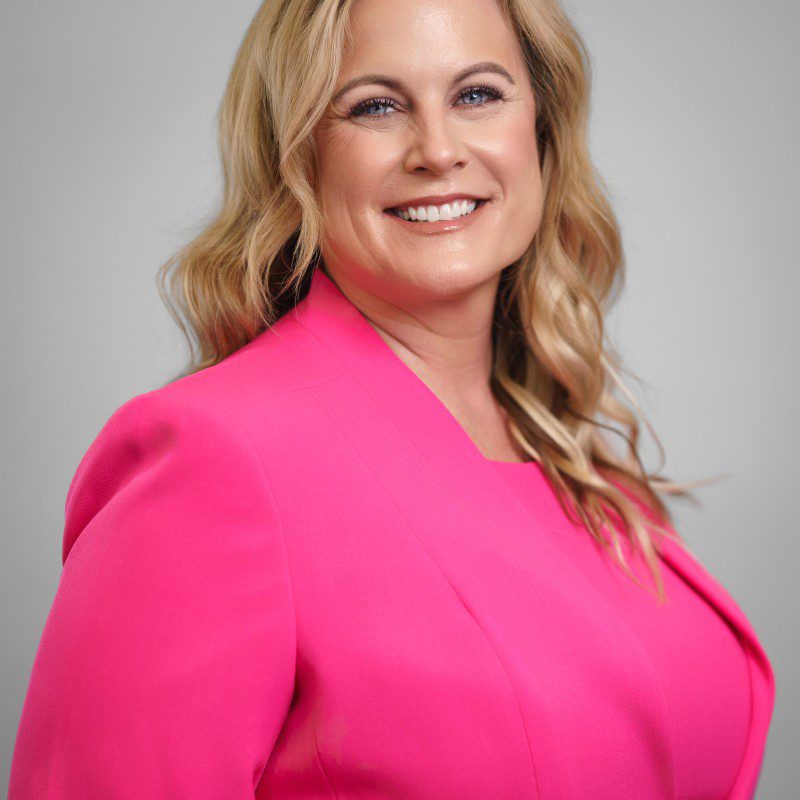 Bolla
Bolla
HRO Today: What’s the biggest challenge you are currently facing and what are your plans to overcome it?
Carina Cortez: One of the biggest challenges my team is currently facing is navigating how Agentic AI is fundamentally reshaping the way we work. The World Economic Forum projects that nearly 40% of skills may become outdated by 2030, underscoring how AI isn’t just replacing work, it’s redefining work entirely. This disruption is forcing people leaders to consider how we can best support our workforce and our customers’ workforces through these changes.
While the rapid rise in the technical capabilities of AI means that technical upskilling is non-negotiable, we’re simultaneously faced with a paradox: The more advanced AI becomes, automating hard skills and providing sophisticated analytics and decision-making, the more valuable distinctly human skills become. Interpersonal communication, empathy, creative problem-solving, adaptability, and ethical reasoning are all areas where humans continue to excel—and where continued development is required for effective human–AI collaboration. In fact, these human-centered skills are what enable our teams to interpret, apply, and, importantly, question AI-generated insights with social and organizational context in mind.
To stay ahead of this transformation, we’re prioritizing workforce agility through strategic workforce planning, technical and human skills development, and strengthened employer support. Organizations have an opportunity and responsibility to invest not just in technical job rotation and training programs, but also in intentional initiatives to cultivate emotional intelligence, complex collaboration, and values-driven leadership throughout the workforce.
Recognizing that younger employees may naturally excel in digital literacy, we have also invested in a modern approach to mentorship—including formal structures for reverse mentoring, where both senior and junior employees can learn from one another. This creates bidirectional learning opportunities, building not just AI fluency among leaders, but also the human and leadership skills among emerging talent. Additionally, we’re exploring how AI-powered coaching can supplement—but not replace—these mentorship relationships, ensuring skill-building is holistic.
Ultimately, our approach is to meet disruption with intentional adaptation, enabling our teams to leverage both cutting-edge technical skills and irreplaceable human strengths.
HROT: How can organizations shift to a skills-based mindset?
Cortez: Shifting to a skills-based mindset starts with visibility. Leaders need a clear, comprehensive view of both the current distribution of skills and where critical gaps are forming across the organization. AI-powered analytics play a crucial role in making this possible by benchmarking internal skill sets against real-time labor market data and uncovering both technical and human skills already present within the workforce.
However, it’s important to recognize that as AI rapidly advances and automates many technical tasks, the value of distinctly human skills—such as adaptability, communication, critical thinking, and empathy—rises in parallel. The paradox is that while AI helps organizations become more precise and data-driven in talent management, it also amplifies the need to cultivate soft skills that cannot be easily replicated by machines.
This shift requires organizations to move from thinking solely about what their workforce currently does to what employees could do with targeted reskilling—through personalized learning and holistic development programs focused on both technical and interpersonal competencies. AI can personalize learning pathways and offer insights for internal mobility, but initiatives like job rotations, cross-functional projects, and reverse mentoring are crucial for building well-rounded, agile teams.
Ultimately, building a future-ready organization means leveraging AI for smart skills detection and workforce planning, while also doubling down on human-centered development to ensure that employees are adaptable, collaborative, and prepared for continuous change.
HROT: What are you currently reading?
Cortez: I recently read “Rethinking Operating Models: Designing People and Technology Powered Organizations” by Ken McMillan, which discusses key frameworks for companies looking to improve business operations. As people leaders sharpen their focus on workforce agility, this is a reading list must-have for inspiration on driving innovation and growth, while keeping up with the pace of change.