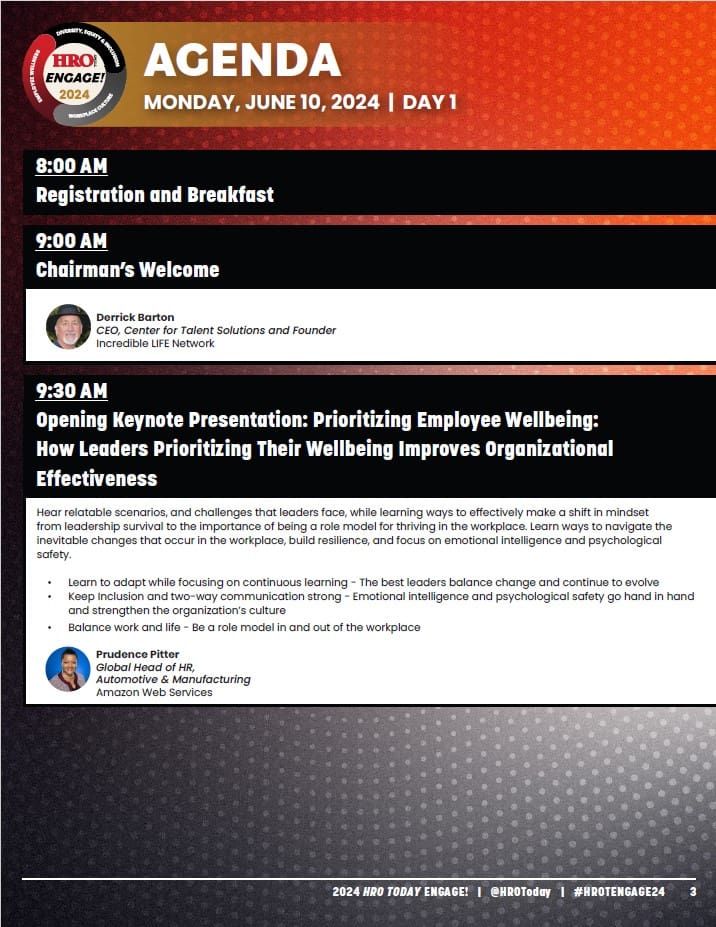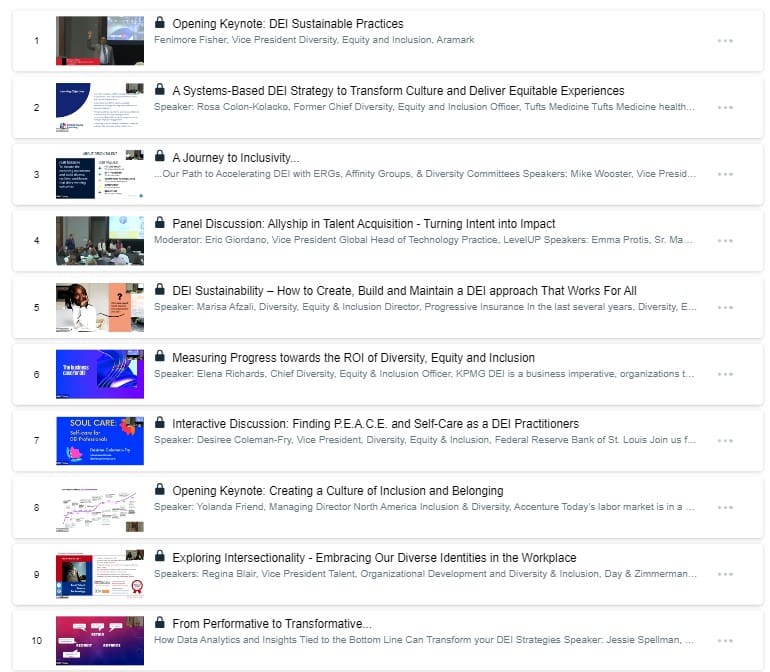



I recently was on a video call with the Head of HR for a European company discussing our upcoming HRO Today Forum, EMEA in Barcelona, Nov. 4-6. During the call, she asked if she could attend virtually, as her company was implementing a travel policy ban as the CEO had decided face-to-face meetings were now obsolete. I had to tell her we do not offer virtual attendance or often host virtual speakers (she asked me about speaking and that is what initiated the conversations). I wanted to state today that I am a firm supporter of the “third dimension.”
There are countless surveys out there about hybrid work, Zoom call fatigue, and what not. I could spend the next five hundred words relaying boring statistics about the effectiveness or lack thereof relating to video conference technology. I could wax poetic about the virtues of avoiding airport lines, passport control, or the terrifying prospects of lost luggage at baggage claim (do not make me tell you my Portugal story). Instead, I would like to talk about why human connectedness is important. I seem to recall studying human resources for decades and that the word “human” continues to remain in the lexicon. So, let’s talk about humans. We are social mammals. In fact, a human ancestor on the African savanna alone was described as—what was that again—oh, “lion food.” We were defenseless as individual primates. While travel budgets may be tight and MS Teams resolutions are so vivid nowadays, that does not negate two million years of human evolution. We are still communal creatures.
There is considerable benefit to attending conferences and educational programs in person, and the research proves that assertion. Ultimately, the loss of context and body language and the lack of connection make people less likely to trust, less likely to be open, and less likely to openly exchange ideas. One important aspect of human resources is that only a small portion of the role of an HR leader is driven by regulation and law in a vacuum. Everything HR does is applied, and the best way for us to train and educate each other is through case study examples like business school degree programs have done for decades. It is much harder to get that discussion and knowledge sharing in a virtual environment. The quality of the opportunity to network and learn from peers at live conferences is vastly superior to the ability to do so in virtual settings. Before you rush to defend Zoom meetings, just try to count on one hand how often you have checked a text message or answered an email while you thought the people on the other end of the call would not notice.
Other benefits of live conferences are the social interaction, laughter, and the opportunity to build relationships in ways that video calls lack. There is no question that there are vast benefits in suffering the travel time to be in the presence of other people who face the same challenges and be able to interact and share with them in ways that allow for confidential discussion of various approaches and solutions you may want to try in your own HR organization.
Do not let the CFO, CEO, or anyone convince you that the emergence of video technology has made two-dimensional communication the haute couture. It just removes the “human” from the interaction and that third dimension is the human part and we need to defend that as “human resources”. By the way, you should come to our conferences. You will make friends, laugh a lot, and learn things that will be useful to your professional growth and your success as an HR leader!
Elliot H. Clark
CEO