



Technology doesn’t bypass bias. The goal shouldn’t be to remove human judgement and rely on tech, but to make that judgement consistent, evidence-based, and shared.
In an age where technology is playing an increasing role in who gets what job, and when society has been through sometimes agonising self-searching analyses on how to consider and respond to protected characteristics, it is little surprise that few recruitment processes claim to be bias-free. At the end of the day, a selection process is about someone making a decision, and that decision will always be subjective. The problem is that sometimes it becomes even more subjective as it is concealed behind layers of technology and policy.
Kevin Green, chief people officer at UK bus and rail company First Group, is clear about the matter. “We know one-on-one management interviews don’t work, and we’ve known that for 30 or 40 years,” he says. “Recruiters look for the halo effect, or they’re looking for ‘another one of them.’”
Michelle Rajkumar, director of talent, people team at London-based Railpen, says, “Ultimately, we are making judgements about people, so it’s unlikely as a process, this can be entirely free of bias…I think the more pertinent question is, ‘How do we ensure judgements are consistent, relevant to context, and evidence-based?’”
Admitting that selecting candidates can never truly be unbiased is the first step to ensuring the process is as fair as possible. Rajkumar suggests the question of bias should be flipped: Don’t go after the impossible, but instead look for ways in which selections can be made more equitable and of better quality.
“Applying a fair standard across a process that requires judgement is moving towards improving the quality of outcome,” she says. “I don’t think we can advocate removing human judgement, but being intentional and clear about what ‘good looks like’ in your organisation, for example, or what improves overall talent density, and the consistency of assessment criteria, will allow for a fairer playing field, rather than focussing on perfectly bias-free recruitment.”
The multi-faceted nature of AI means the technology seems to be creating as many problems as it is solving—producing copious numbers of ‘tailored’ CVs on the one hand, sifting through copious numbers of CVs on the other, enabling recruiters to consider and make decisions on large numbers of applicants, but also presenting the danger that such automated processes end up being biased in themselves.
“I don’t regard AI as a saviour or a problem,” Rajkumar says. “It’s another data decision-making tool. But it must be ring-fenced in governance and data points connected to human conscience and accountability.” Indeed, Rajkumar suggests the bigger challenge now is how to hold on to or enhance the human input in a recruitment context that is increasingly tech-led. “It’s not a case of what we can gain but also what we might lose along the way,” she says.
Green highlights two aspects of recruitment that can make a difference to the process. The first is to have multiple perspectives. Hiring decisions made by one person alone are bound to come unstuck as they come from only one point of view. As soon as a people decision is shared, it is subject to more than one viewpoint, therefore lessening the chance of bias.
The second way forward for Green is to test candidates. “Get them to do an activity you’ll be wanting them to do in the job,” he says. “Whether it’s a customer service role play or an organisational problem that you set people, this will test the validity of the hire, and it enables you to predict their performance.” Interestingly, even in test situations Green advises that more than one person should judge the candidate’s performance. Again, the more viewpoints, the more valid the assessment, the less likely a decision will be made on unequal grounds.
As far as AI is concerned, Green says it has a role in screening candidates, but even then it is important that HR understands where the AI has come from and how it has been created. “AI is often influenced by the people who have programmed it,” he says, “so you need to be sure the right criteria are being used and the methodology that sits behind it is good.”
Gareth Stirling, recruitment business partner at Totalmobile, Belfast, says, “The goal shouldn’t be to pretend bias doesn’t exist, but to recognise it and put processes in place that minimise its impact.”
Stirling advocates ensuring the consistent assessment of candidates against the skills, experience, and behaviours required for success in the role, rather than subjective factors. “Equitable hiring is about continuously challenging assumptions, improving our processes, and making decisions based on evidence rather than instinct,” he says.
Responsible use of AI can help here, from a consistency and administrative point of view, but Stirling also emphasises the need to understand what lies behind AI systems to appreciate any bias that may exist there. He also notes that there are now more candidates using AI to help create CVs, write cover letters, and prepare interview responses.
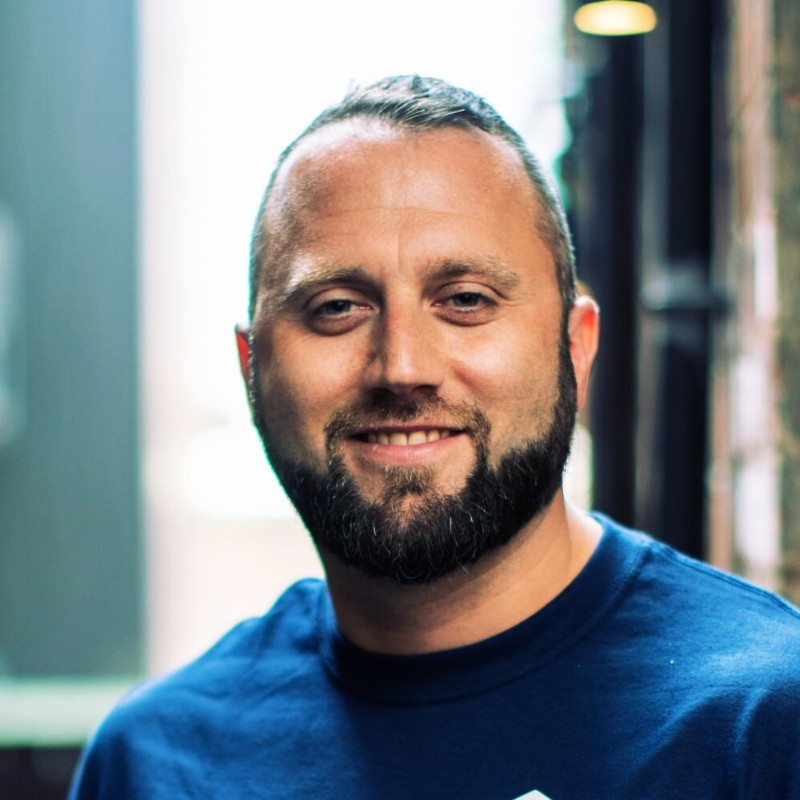
Recruitment Business Partner
Totalmobile
“Equitable hiring is about continuously challenging assumptions, improving our processes, and making decisions based on evidence rather than instinct.”
“While this can help people present their skills more effectively, it can sometimes make it harder to distinguish between a candidate’s actual experience and content that has been heavily AI-generated,” he says. “For that reason, I see AI as a tool that should support, not replace, human decision-making.” Ultimately, fairness, he argues, comes from how both organisations and candidates’ use of AI, rather than the technology itself.
Interestingly, one of the most impactful changes at Totalmobile has been the use of anonymous CVs when applications were shared with hiring managers through their ATS. “By removing personal information at the initial screening stage, we help ensure that candidates are assessed on their skills, experience, and potential rather than characteristics that are irrelevant to performance,” Stirling says.
The company also focuses on structured interview processes, clear assessment criteria, and alignment between recruiters and hiring managers on what good looks like before interviews begin. “This helps create consistency across candidates and reduces the risk of subjective decision-making,” Stirling notes.
Even at a time when technology is arguably making recruitment more sophisticated, it is clear that almost taking recruitment back to basics is key for reducing bias. When it comes down to it, anything that increases the objective viewing of a candidate’s skills and aptitude for the job will benefit organisations. Adding more layers of processes and technology can simply add another layer, which requires mitigation for recruiters to understand exactly what someone can do and how well they can do it.