


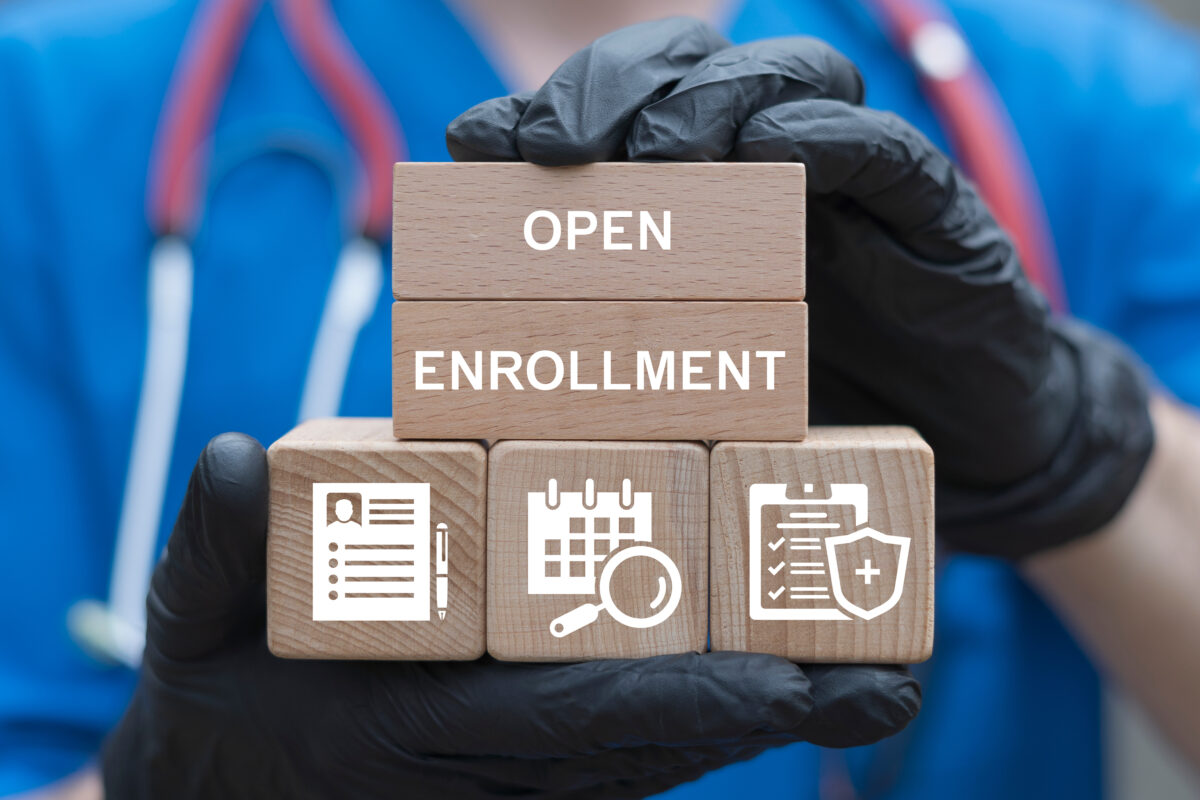
Open enrollment can either drain HR’s energy or drive deeper trust and engagement across the workforce.
By Kim Hernandez
Every fall, HR leaders brace for one of the busiest and most demanding times of the year: open enrollment. What should be a moment of empowerment for employees often becomes a period of stress and burnout for HR teams. From plan updates to cost changes, compliance requirements and employee questions, it all adds up to a lot of juggling.
But open enrollment doesn’t have to be a source of exhaustion. With the right approach, it can become a strategic opportunity to build transparency, strengthen engagement, and reinforce organizational trust.
Several ways employers can work with their HR leaders to ensure a successful open enrollment include the following.
1. Recognize the Human Cost of Open Enrollment
Rising healthcare costs are forcing organizations to make tough decisions about contribution rates and coverage. As the front line of benefits communication, HR professionals are often left managing the emotional impact of those changes, answering difficult questions, calming concerns, and explaining decisions they didn’t make.
That cumulative stress can erode an HR team’s ability to serve as a strategic partner within the organization. Acknowledging the toll open enrollment takes – and proactively supporting HR professionals through it – is essential to preventing burnout among HR team members.
HR leaders are the front line of communication during open enrollment season. They absorb the frustration that comes with change, even when the decisions aren’t theirs.
2. “Walk the Talk” on Well-being
HR professionals are champions of employee wellness, but they also need permission to model those same habits themselves. Encouraging work-life balance during enrollment season – through delegation, flexibility, and clear workload limits – sets an example for the entire organization.
Company leadership should make it clear that HR teams can and should take advantage of well-being and emotional health resources, just as they encourage other employees to do.
Reinforce that “taking care” is part of performance, not a pause from it.
3. Communicate the “Why,” Not Just the “What”
Transparency transforms frustration into understanding. When benefit changes are announced, HR teams should focus on explaining why those decisions were made, and how they align with cost optimization, plan stability, or employee protection.
Providing this context can help employees feel like they are a part of the process rather than blindsided by it. When employees recognize that benefit changes stem from care and sustainability, trust grows, even when the news isn’t ideal.
Coach HR teams to explain benefits in plain speaking terms and connect changes to what employees value most: security, stability, and care.
4. Highlight the Full Value of Total Rewards
Employees tend to focus on medical coverage first, but HR leaders can use open enrollment as an opportunity to reinforce the broader total rewards story.
According to Insperity’s total rewards research, high-performing companies are 68% more likely to prioritize employee well-being programs compared to 60% of standard performers.
Reminding employees of the organization’s holistic well-being support helps balance difficult news about plan adjustments and deepens appreciation for the organization’s investment in their overall well-being.
Translate benefits into real-life impact and show how financial tools, wellness programs, and caregiving support help employees handle what matters most outside of work.
5. Blend Technology with Human Touchto Engage Across Generations
Open enrollment in today’s multigenerational workplace demands flexibility. With four generations making benefits decisions, each with different communication preferences, HR leaders must tailor their approach to reach everyone effectively.
Younger employees often prefer mobile access and short-form digital content, while more tenured workers may value printed materials or personal conversations that build clarity and trust. The most effective communication and engagement strategies balance technology and human connection, using digital tools to simplify and inform, while maintaining accessible, empathetic support through live help teams or HR representatives.
When technology and the human touch work together, every employee – regardless of age or experience – feels seen, supported, and confident with their open enrollment options.
Don’t let technology do all the talking. Use digital tools to inform, but also connect with employees on a human level to enhance understanding and help them make choices with confidence.
6. Plan Proactively and Lead with Partnership
The most effective open enrollment strategies start early. By preparing FAQs, communication timelines, and leadership talking points well before enrollment begins, HR teams can stay ahead of employee questions rather than react to them.
It’s also critical that leaders reinforce a message of partnership. Employees should feel benefit changes are made with them, not to them. This collaborative tone fosters understanding and strengthens organizational trust, long after enrollment closes.
Treat open enrollment as a shared business priority, not an HR project. When all business leaders stay visible and informed, employees see transparency in action.
The Takeaway
Open enrollment will always be a demanding time. However, it doesn’t have to be a drain on HR energy or morale. Employers that approach open enrollment with purpose and authenticity can transform it into a strategic opportunity to strengthen engagement and reinforce organizational trust. When HR leaders embrace this mindset shift, open enrollment transforms an administrative necessity into a meaningful opportunity to demonstrate care, strengthen engagement, and remind every employee that their well-being truly matters.
Prioritizing transparency, empathy and proactive communication can turn a historically stressful season into a moment that reinforces trust, connection and culture across the organization, leaving both HR teams and employees more engaged and aligned for the year ahead.
Kim Hernandez is the manager of health and welfare communications at Insperity.