

STV’s former HRIS Manager Zeeshan Khan shares how the organization combined tech and AI innovation with human-centered judgment to drive skills development and address talent gaps in 2026.
By Maggie Mancini
 HRO Today: What is your top HR priority for 2026 and how are you planning to navigate it?
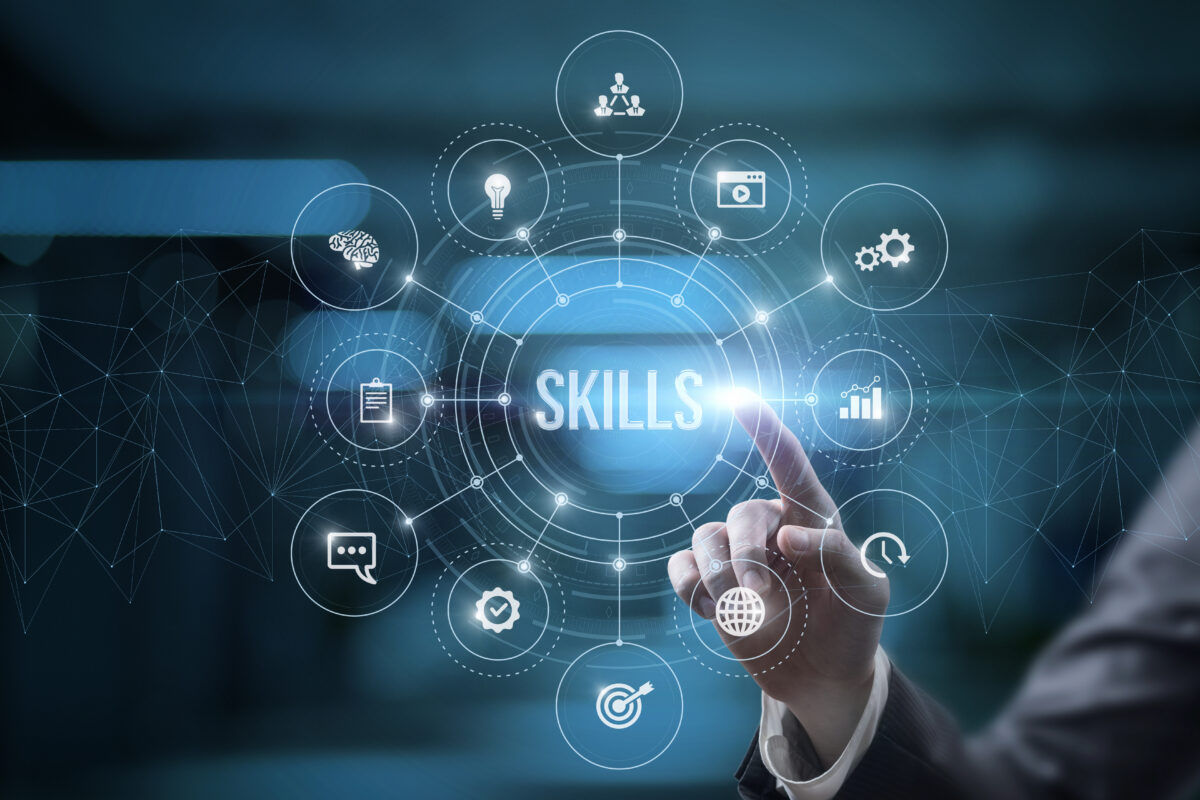
Zeeshan Khan: In 2026, our top HR priority is advancing toward a fully skill-based organization by connecting workforce planning, talent development, and internal mobility through unified data. We’re focused on making skills the universal language across all HR programs—from recruiting to succession planning—so every employee can see transparent career pathways.
To achieve this, we’re leveraging Workday Skills Cloud and AI analytics to map evolving skill needs while keeping the human element at the center of every decision. Our approach ensures AI complements, rather than replaces, meaningful human judgment, empowering leaders and employees to grow together in a data-informed and empathetic way.
HROT: How is your organization planning to leverage AI to address HR challenges in 2026?
Khan: We’re embracing AI as a way to enhance, not replace, the human experience in HR. One key initiative is the use of AI recruiting agents to streamline and automate candidate funneling and screening processes. These agents help identify qualified talent faster, reduce administrative workload for our talent acquisition teams, and improve responsiveness to candidates—creating a more engaging and personalized hiring experience.
Importantly, we keep humans in the loop at every decision stage, ensuring that empathy, fairness, and context guide our talent choices. Beyond recruiting, we’re also applying predictive analytics to anticipate skill gaps and guide targeted reskilling initiatives, aligning our workforce strategy with future organizational needs.
HROT: What are the top challenges facing tech talent leaders in 2026?
Khan: The toughest challenges today are attracting and retaining specialized tech talent, fostering ethical AI adoption, and maintaining the “human touch” in increasingly digital environments. Leaders must balance automation and innovation with responsibility and empathy. As AI continues redefining roles and workflows, tech leaders face the added challenge of ensuring employees see technology as a collaborative partner, not a replacement for their value or creativity.
HROT: How are you navigating those challenges within your own organization?
Khan: We’re addressing these challenges by combining technology innovation with a human-centered, results-driven mindset. Our focus is not just on adopting AI and skills-based tools, but on ensuring they deliver measurable ROI in both efficiency and employee experience. For instance, we evaluate initiatives through outcomes such as reduced time-to-fill, improved internal mobility rates, and higher engagement in skill development programs.
By leveraging Workday’s AI and Skills Cloud, we gain insights into where automation and advanced analytics directly improve decision quality or reduce manual effort. Our AI governance and ROI framework ensures every project has clear success metrics—from productivity gains to talent cost optimization—while keeping humans at the center of every transformation.