


As Adtalem Global Education becomes Covista, CHRO Sara Hill shares how the education company is managing change amid a large-scale cultural transformation.
By Debbie Bolla
HRO Today: During this company transformation, what is your change management strategy and how will you approach it at scale?
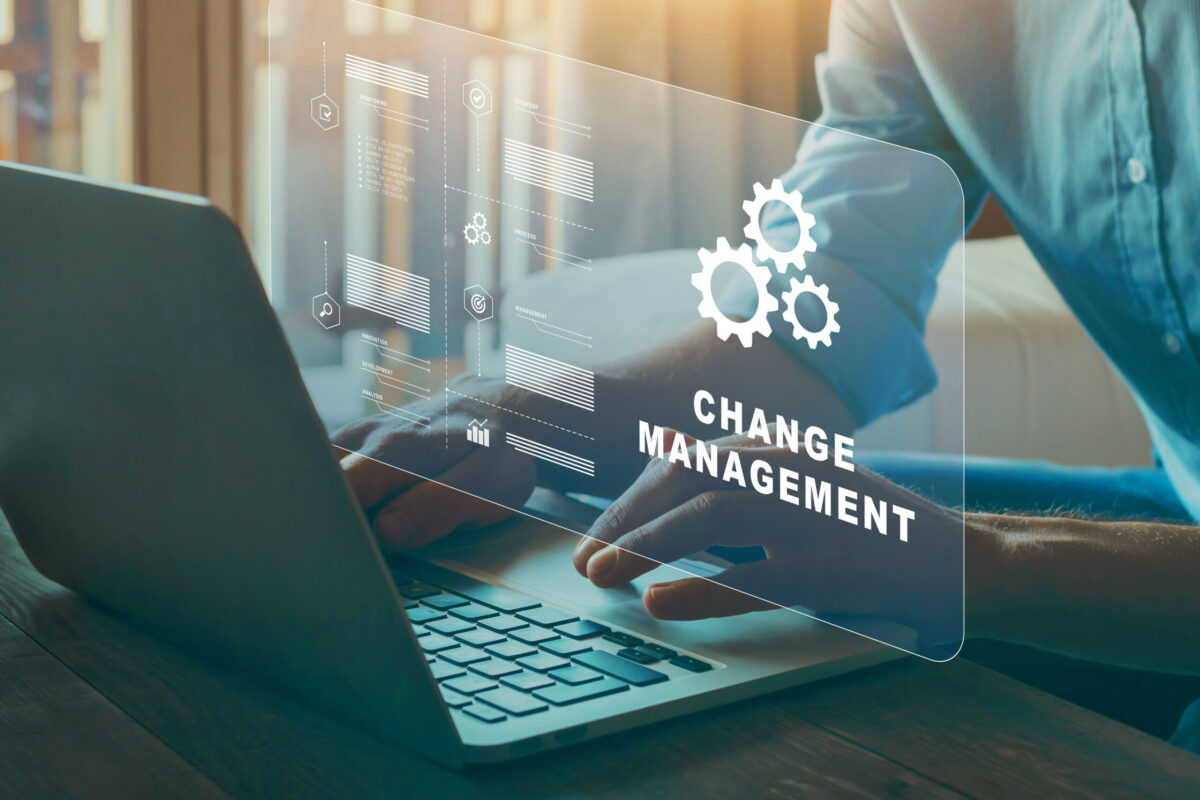
Sara Hill: Effective change management requires a multi-layered strategy. We engage leadership early and consistently to model desired behaviors and champion adoption. We established a “Change Champion Network,” which reflects Covista’s diverse organizational composition, solicits ongoing feedback to enable real-time adaptation, and ensures colleagues understand both the strategic rationale for change and its practical implications for their roles.
Our leaders and champions serve as strategic partners, not merely messengers. They participate in shaping initiatives before final decisions are made, translating organizational strategy into relevant context for their respective teams. In an organization of 10,000 employees across five institutions, top-down communication alone is insufficient. Our leaders and champions ground transformation efforts in local realities, connecting enterprise-wide strategy to the day-to-day work that matters to colleagues. This approach is essential to achieving meaningful change at scale.
HROT: In what ways can you measure your change management strategy impact beyond engagement surveys?
Hill: We assess the effectiveness of our change management strategy through a framework that prioritizes tangible business outcomes alongside traditional engagement metrics. Our approach centers on behavioral indicators—tracking tool adoption rates, integration into daily workflows, retention trends, and employee referral patterns—to gauge authentic organizational buy-in.
We supplement these quantitative measures with robust qualitative feedback mechanisms that operate at scale. Enterprise-wide pulse surveys provide regular sentiment data, while structured forums with leadership and our “Change Champion Network” enable real-time dialogue across the organization. Additionally, we maintain a dedicated Microsoft Teams channel for “Change Champions” that serves as a critical feedback loop, capturing questions, insights, and concerns as they emerge, enabling our team to respond with agility.
This multi-dimensional measurement strategy allows us to identify gaps in adoption quickly, iterate on our approach, and maintain momentum throughout transformation initiatives. The result is a responsive, scalable change management framework that drives sustainable outcomes while ensuring employees feel genuinely supported throughout the transition.
HROT: How are you building a purpose-driven EVP and how does it resonate across different employee segments?
Hill: We are building a culture where performance and purpose are not separate goals—they are one and the same. This means creating an environment where colleagues can develop new skills, build careers that match their ambitions, and see the tangible impact of their work on healthcare education and workforce development. Colleagues who deliver results and embrace new tools to work smarter are valued for their contributions. But what makes working at Covista distinctive is our impact. Our faculty and colleagues do not just support healthcare education—they shape it. This is not abstract purpose work. It is solving real problems for real people in real communities while advancing careers.
HROT: What are you currently binging and what is your favorite way to spend free time?
Hill: I just binged Landman. It is like candy—I eat it up. It is like the modern-day version of Dallas. Outside of that, I am a proud mom of two, and you will find me in the garden, in the kitchen, or on the tennis court when not in the office.
Sara Hill is CHRO at Covista.