


How to create a long-lasting culture of appreciation.
By Lindsay Bridges
Organizations today are under growing pressure to attract and retain talent. While competitive compensation and benefits remain important, they are no longer sufficient on their own. In operational environments, where frontline performance and teamwork are critical, a culture of positive and consistent recognition is key. Employees want to feel valued and connected to a shared purpose, and well-designed reward and recognition strategies play a central role in delivering this.
Recognition in the Modern Workplace
Work has changed significantly in recent years. Hybrid working models, changing employee expectations, a desire for flexibility, and skills shortages have reshaped what employees are looking for. Beyond pay and benefits, employees are seeking meaningful experiences at work, recognition for contributions, and opportunities to develop. Research consistently shows that employees who feel acknowledged are more motivated and committed to their organizations.
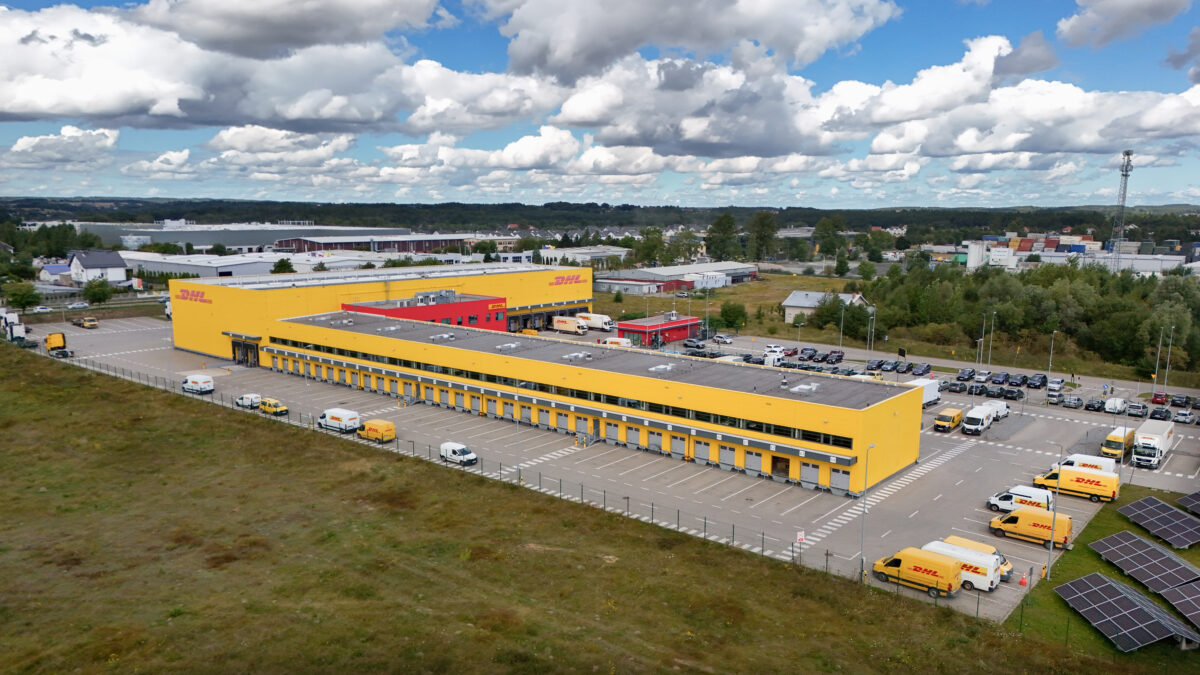
At DHL Supply Chain, there are initiatives and processes that ensure achievements at all levels are recognized all year round. Recognition is embedded into our standard management system, with accountability for this element sitting firmly with our operational leadership.
The Role of Leadership
Embedding recognition in an organization begins with leadership. Leaders who are visible and engaged with their teams are better able to identify those who go above and beyond in their daily work. This is especially important in our operations to ensure our frontline employees’ contributions are linked to our overall purpose.
Line managers play a critical role in shaping the employee experience. Providing them with the guidance, tools, and autonomy to recognize their teams ensures that appreciation happens consistently and is timely. At DHL, our HR function enables this by providing a simple recognition toolkit and approach: “Certified Essentials,” which complements our ongoing “certified” learning and development. This encourages the recognition of everyday achievements on a routine basis, rather than being limited to formal awards or annual ceremonies. Regular, sincere acknowledgement like this helps establish a culture of appreciation.
The Use of Metrics
Performance-based rewards are important for acknowledging achievement and encouraging accountability. However, focusing only on quantifiable metrics can overlook contributions that are less visible but equally important. Recognition strategies need to be in balance and should also highlight behaviours that align with organizational values, milestones in personal and professional development, as well as the daily efforts that keep teams operating effectively.
Technology can support real-time acknowledgement, allow appreciation to be shared across locations, and track recognition patterns. Remote and hybrid working models can create gaps if employees are overlooked, so leaders must be deliberate in ensuring that all team members feel seen and included.
Building a Sustainable Recognition Strategy
Creating a positive workplace culture requires planning and ongoing review, and organizations can start by examining how recognition currently happens. A balanced recognition strategy should include non-monetary gestures, peer-to-peer recognition, and development opportunities. Financial incentives remain important, of course, but recognition from peers and managers strengthens collaboration and helps to create shared accountability for success.
Regularly reviewing retention rates and employee feedback helps leaders identify what is working and where improvements are needed. Over time, these practices will strengthen employees’ connection to organizational purpose and create a positive cycle of engagement and performance.
Ultimately, a culture of reward and recognition is more than a program or policy. It is an environment where employees feel genuinely valued and supported every day, which in turn means they can bring their true selves to work. Organizations that focus on building and maintaining this will be the ones that retain talent and achieve sustained operational success.
Lindsay Bridges is the global head of HR for DHL Supply Chain.